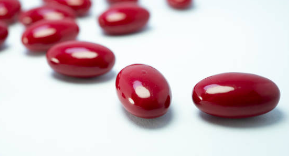
Found These Small Red Oval Items? Possible Explanations
Introduction: What Are Those Small Red Oval Things You Found?
Finding small red oval-shaped objects around your home, garden, yard, or belongings can be surprising. At first glance, they may look like seeds, insects, eggs, plant material, or even something unusual that is difficult to identify.
The truth is that small red oval items can have many different explanations, and the correct answer depends on where you found them, their size, texture, movement, and surrounding environment.
A tiny red oval object on a windowsill may have a completely different explanation than similar-looking objects found in soil, on fabric, near food, or around plants.
Before touching or removing unknown objects, it is helpful to observe them carefully. Their appearance can provide important clues.
This guide explores some of the most common possibilities and what you can do if you discover small red oval items.
1. Small Red Insects or Mites
One of the most common explanations for tiny red oval objects is that they are actually living creatures.
Many small insects and mites have rounded or oval bodies and can appear bright red or reddish-orange.
Clover Mites
Clover mites are tiny arachnids often found outdoors and sometimes indoors near windows, walls, and sunny areas.
They are usually:
- Very small
- Red or reddish-brown
- Oval-shaped
- Fast-moving
Clover mites often appear in large numbers, especially during warmer seasons.
They are commonly found:
- Near grass
- Around garden plants
- On exterior walls
- Near windows and doors
Although they can be annoying, clover mites generally do not bite people or cause major household problems.
What You Can Do
If you find clover mites:
- Avoid crushing them because they may leave red stains.
- Vacuum them carefully.
- Seal cracks around windows and doors.
- Reduce vegetation touching the home exterior.
Other Small Red Mites
Some other mites may also appear red and oval.
Possible locations include:
- Gardens
- Houseplants
- Soil
- Outdoor surfaces
Some species are harmless, while others may affect plants.
If the objects move slowly or quickly, that is a strong clue they may be living organisms rather than seeds or debris.
2. Plant Seeds and Berries
Not every small red oval object is an insect. Nature produces many seeds and plant materials that can look surprisingly similar.
Depending on the plant, seeds may appear:
- Bright red
- Orange-red
- Oval
- Smooth
- Hard or slightly soft
You may find these near:
- Flower beds
- Trees
- Shrubs
- Bird activity areas
Common Plant-Related Possibilities
Small red objects may include:
- Berry seeds
- Dried fruit pieces
- Seed coverings
- Plant buds
- Fallen berries
Birds and wildlife can also spread seeds into unexpected places.
How to Identify Plant Material
Look for clues:
- Does it stay still?
- Does it feel hard like a seed?
- Is there plant material nearby?
- Does it have a natural shell or outer coating?
A magnifying glass can help reveal whether it has plant-like features.
3. Insect Eggs or Egg Cases
Another possibility is that small red oval items are insect eggs.
Many insect eggs are extremely small and may be:
- Round
- Oval
- Clustered together
- Attached to surfaces
However, not all red oval objects are eggs. Insect eggs vary widely in appearance depending on the species.
They may be found:
- Under leaves
- On plants
- Near outdoor structures
- In protected corners
Signs They May Be Eggs
Possible clues include:
- Several identical objects grouped together
- Attached firmly to a surface
- Located near insects
- Found on plant leaves
If you suspect insect eggs, avoid spreading them around before identifying them.
4. Food Particles or Spilled Ingredients
Small red oval objects inside the kitchen may have a much simpler explanation.
They could be:
- Pieces of dried food
- Spices
- Seeds
- Fruit fragments
- Candy pieces
- Food packaging debris
Common sources include:
- Dried peppers
- Tomato products
- Berries
- Decorative foods
- Pet food
The location is one of the biggest clues.
A red oval object near a pantry or dining area is more likely to be food-related than an outdoor insect.
5. Decorative Materials or Craft Items
Small red oval pieces are also commonly found in:
- Craft supplies
- Decorations
- Clothing
- Jewelry
- Children’s toys
They may be:
- Plastic beads
- Decorative stones
- Confetti pieces
- Artificial seeds
- Craft gems
If the object has a perfectly uniform shape, smooth surface, and identical size compared with others nearby, it may be manufactured.
How to Identify Small Red Oval Objects at Home
If you want to figure out what you found, use these simple steps.
Step 1: Observe Without Touching
Look closely first.
Ask:
- Are they moving?
- Are they attached to a surface?
- Are they grouped together?
- Are they changing over time?
Movement is one of the easiest ways to separate living organisms from objects.
Step 2: Check the Location
Where you found the object matters.
Near Plants or Soil
Possible explanations:
- Seeds
- Mites
- Insect-related materials
Near Food
Possible explanations:
- Food particles
- Spices
- Packaging debris
On Clothing or Furniture
Possible explanations:
- Fibers
- Decorative pieces
- Insects
Near Windows
Possible explanations:
- Outdoor insects
- Mites
- Plant debris
Step 3: Examine Size and Texture
Small details can provide useful clues.
Consider:
Size
Is it:
- Smaller than a grain of rice?
- About the size of a pepper seed?
- Larger like a small bead?
Texture
Does it feel:
- Soft?
- Hard?
- Sticky?
- Powdery?
- Shell-like?
Shape
Is it:
- Perfectly symmetrical?
- Irregular?
- Smooth?
- Rough?
Are Small Red Oval Items Dangerous?
In most cases, small red oval objects found around homes are harmless.
However, caution is still recommended because some unknown objects may be associated with:
- Allergens
- Plant pests
- Insects
- Mold or contamination
Avoid handling unknown materials with bare hands if you are unsure.
If you find large numbers of unfamiliar organisms, especially indoors, identification may be helpful.
When Should You Be Concerned?
Consider getting professional advice if:
- The objects are spreading quickly
- They appear to be insects damaging plants
- They are associated with bites or irritation
- They appear near food storage areas
- You cannot identify them and they continue appearing
For plant problems, a garden professional or local agricultural extension service may help identify pests.
For household concerns, pest control professionals can provide guidance.
Common Mistakes When Identifying Small Red Objects
Assuming Every Red Dot Is an Insect
Many people immediately assume a tiny red object is a bug. While this is sometimes true, many harmless items look similar.
Ignoring the Location
The environment provides valuable information. A red oval object found on a rose bush has a different explanation from one found in a kitchen drawer.
Crushing Unknown Objects
Some tiny red organisms can stain surfaces when crushed.
Observe first whenever possible.
Frequently Asked Questions
What are tiny red oval bugs in my house?
Tiny red oval bugs indoors are often clover mites or other small mites, especially when found near windows, walls, or sunny areas.
Are red mites harmful to humans?
Many common red mites found around homes do not bite humans. However, identification is helpful because different species have different behaviors.
How can I tell if a red oval object is alive?
Look for movement. A living organism may crawl, change position, or respond when disturbed.
Can plant seeds look like insects?
Yes. Some seeds, berries, and plant materials can closely resemble tiny insects because of their color and shape.
Should I remove unknown red objects?
If they are indoors, carefully removing them with a vacuum or tissue is usually a safe approach. If they appear repeatedly, try to identify the source.
Final Thoughts: Small Red Oval Items Can Have Many Explanations
Finding small red oval items can be confusing, but there are many possible explanations. They may be tiny insects, mites, seeds, food particles, decorative materials, or other harmless objects.
The best way to identify them is to consider their location, size, texture, and whether they move.
Careful observation is often enough to solve the mystery. When in doubt, avoid unnecessary handling and seek help if the objects are causing problems or continue appearing.
A tiny red oval object may look unusual, but in many cases, the explanation is much simpler than expected.