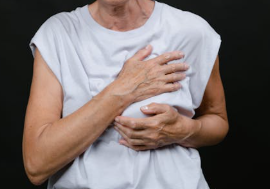
Heart Attack Symptoms in Women: Important Signs to Know
Introduction: Why Women Need to Recognize Heart Attack Warning Signs
A heart attack is often portrayed as sudden, dramatic chest pain that is impossible to ignore. While that classic symptom can happen, many women experience warning signs that are less obvious and easier to dismiss.
Understanding heart attack symptoms in women is extremely important because women may experience different symptoms compared with men. Some signs can appear gradually, feel like everyday discomfort, or resemble other health problems such as indigestion, stress, or fatigue.
Recognizing the early warning signs and seeking medical attention quickly can make a significant difference. The sooner a heart attack is treated, the greater the chance of reducing heart damage and improving recovery.
Heart disease remains one of the leading health concerns for women, which is why knowing what to watch for is a valuable part of protecting long-term health.
What Is a Heart Attack?
A heart attack occurs when blood flow to part of the heart muscle becomes blocked. The heart needs a constant supply of oxygen-rich blood to function properly. When an artery supplying the heart becomes blocked, the affected heart muscle begins to suffer damage.
The most common cause of a heart attack is a buildup of fatty deposits, cholesterol, and other substances inside the arteries. Over time, these deposits can narrow the arteries or break open and create a blood clot that blocks blood flow.
A heart attack can happen suddenly, but many people experience warning signs hours, days, or even weeks beforehand.
Why Heart Attack Symptoms Can Be Different in Women
Women and men can experience similar heart attack symptoms, but women are more likely to have symptoms that do not seem related to the heart.
Several factors may contribute to these differences, including:
- Differences in heart and blood vessel structure
- Hormonal changes throughout life
- Higher rates of certain risk factors
- Greater likelihood of experiencing less typical symptoms
Because some symptoms are subtle, women may delay seeking help. This delay can increase the risk of serious complications.
Learning the signs can help women respond faster when something feels wrong.
Common Heart Attack Symptoms in Women
1. Chest Discomfort or Pressure
Chest discomfort is one of the most recognized heart attack symptoms. However, it may not always feel like intense pain.
Women may describe chest symptoms as:
- Pressure
- Tightness
- Fullness
- Burning
- Squeezing
- Uncomfortable heaviness
The sensation may come and go rather than remain constant.
Some women experience discomfort in the center of the chest, while others feel pressure across the chest area.
Any unexplained chest discomfort that feels unusual should be taken seriously.
2. Shortness of Breath
Shortness of breath is another common warning sign of a heart attack in women.
It may occur:
- With or without chest discomfort
- During activity
- While resting
- Suddenly or gradually
Some women describe feeling as though they cannot take a deep breath or are unusually winded doing normal activities.
Shortness of breath happens because the heart may struggle to pump blood effectively, affecting oxygen delivery throughout the body.
3. Unusual Fatigue
Extreme or unexplained tiredness can be an important heart attack warning sign, especially in women.
This is not normal tiredness after a busy day. It may feel like:
- Sudden exhaustion
- Difficulty completing normal tasks
- Feeling drained despite adequate rest
- A noticeable decrease in energy
Some women report unusual fatigue days or weeks before a heart attack.
Because fatigue has many possible causes, it can be easy to overlook. However, sudden or unusual fatigue combined with other symptoms should not be ignored.
4. Pain in the Back, Neck, Jaw, or Shoulders
Heart attack discomfort is not always limited to the chest.
Women may experience pain or pressure in areas such as:
- Upper back
- Neck
- Jaw
- Shoulders
- Arms
The discomfort may feel like muscle soreness or tension, but when it appears with other warning signs, it may indicate a heart problem.
Pay attention to pain that:
- Feels unusual
- Appears without an obvious cause
- Comes with breathing problems, nausea, or chest pressure
5. Nausea, Vomiting, or Stomach Discomfort
Digestive symptoms can sometimes be mistaken for stomach problems.
During a heart attack, some women experience:
- Nausea
- Vomiting
- Indigestion-like discomfort
- Stomach pressure
- Upper abdominal pain
Because these symptoms can resemble common digestive issues, they are sometimes ignored.
If stomach discomfort occurs with chest pressure, unusual fatigue, sweating, or shortness of breath, medical attention should be considered immediately.
6. Dizziness or Lightheadedness
Feeling dizzy or lightheaded may occur when the heart is not delivering enough blood and oxygen to the body.
Women may experience:
- Feeling faint
- Loss of balance
- Weakness
- A sensation of spinning
Sudden dizziness combined with other symptoms can be a serious warning sign.
7. Cold Sweating
Breaking out in a cold sweat without an obvious reason can be another sign of a heart attack.
This may feel different from sweating caused by exercise, heat, or stress.
Cold sweating may occur along with:
- Chest pressure
- Nausea
- Shortness of breath
- A feeling that something is wrong
Less Obvious Warning Signs Women Should Not Ignore
Some heart attack symptoms can be mild or unusual.
Examples include:
- Trouble sleeping before a heart event
- Anxiety-like feelings
- Weakness
- A sense of pressure rather than pain
- Reduced ability to perform normal activities
A symptom does not need to be severe to be important.
If something feels unusual, especially when several symptoms appear together, it is better to seek medical advice.
Risk Factors That Increase Heart Attack Risk in Women
Understanding risk factors can help women take preventive steps.
High Blood Pressure
High blood pressure forces the heart to work harder and can damage blood vessels over time.
High Cholesterol
High levels of unhealthy cholesterol can contribute to artery blockage.
Diabetes
Diabetes can increase the risk of heart disease by affecting blood vessels and circulation.
Smoking
Smoking damages blood vessels and increases the risk of heart attacks.
Lack of Physical Activity
Regular movement supports heart health and helps maintain healthy blood pressure and cholesterol levels.
Excess Stress
Long-term stress may affect heart health through changes in blood pressure, hormones, and lifestyle habits.
Family History
Women with close relatives who have experienced heart disease may have increased risk.
What Should You Do If You Think You Are Having a Heart Attack?
If you notice possible heart attack symptoms, do not wait to see if they disappear.
Important steps include:
- Call emergency services immediately.
- Stop physical activity and rest.
- Avoid driving yourself to the hospital if emergency help is available.
- Follow instructions from emergency medical professionals.
Quick treatment can help restore blood flow and reduce heart damage.
How Women Can Support Heart Health
While some risk factors cannot be changed, many heart-healthy habits can lower risk.
Eat a Heart-Friendly Diet
Focus on:
- Fruits and vegetables
- Whole grains
- Lean proteins
- Healthy fats
- Foods lower in excess salt and added sugars
Stay Physically Active
Regular activity supports:
- Healthy circulation
- Stronger heart function
- Better blood pressure control
Even moderate activities such as walking can provide benefits.
Manage Stress
Helpful strategies may include:
- Relaxation techniques
- Spending time with supportive people
- Hobbies and enjoyable activities
- Adequate sleep
Schedule Regular Health Checkups
Routine health visits allow doctors to monitor:
- Blood pressure
- Cholesterol levels
- Blood sugar
- Other heart risk factors
Heart Attack Symptoms vs. Other Conditions
Some heart attack symptoms can resemble other conditions, including:
- Acid reflux
- Anxiety
- Muscle strain
- Fatigue
- Respiratory problems
However, it is not always possible to tell the difference without medical evaluation.
A common mistake is assuming symptoms are harmless because they are mild. Heart problems do not always announce themselves dramatically.
Frequently Asked Questions About Heart Attack Symptoms in Women
Do women feel heart attacks differently than men?
Women can experience classic chest pain, but they are also more likely to experience symptoms such as unusual fatigue, shortness of breath, nausea, back pain, or jaw discomfort.
Can a woman have a heart attack without chest pain?
Yes. Some women experience little or no chest discomfort and instead notice other warning signs.
Are heart attacks more common after menopause?
Heart disease risk increases after menopause, partly due to changes in hormones and other aging-related factors.
Is extreme tiredness a heart attack symptom?
Unusual or sudden fatigue can be a warning sign, especially when it occurs with other symptoms such as shortness of breath, chest discomfort, or nausea.
Final Thoughts: Knowing the Signs Can Save Lives
Heart attack symptoms in women are not always obvious. While chest pressure remains an important warning sign, women may also experience symptoms such as unusual fatigue, shortness of breath, nausea, dizziness, or pain in the back, neck, jaw, or shoulders.
The most important step is paying attention to changes that feel unusual and seeking medical help quickly when warning signs appear.
Heart health is built through awareness, prevention, and timely action. Knowing the symptoms empowers women to respond sooner and protect their health.