How to Use Baking Soda for Skin Brightening: What You Should Know
Introduction
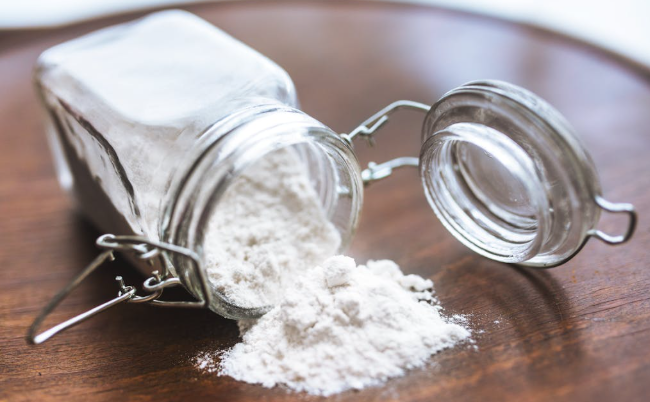
Baking soda (sodium bicarbonate) is a common household ingredient often used for baking, cleaning, and odor control. In recent years, it has also gained attention as a DIY skincare remedy, especially for “skin brightening” or improving dull-looking skin.
Many people search for natural ways to achieve a clearer and more even complexion, and baking soda is frequently mentioned online as a quick solution. However, while it may provide temporary exfoliation, its effects on the skin are often misunderstood—and sometimes risky when used incorrectly.
In this article, we’ll explore how baking soda is used on the skin, what benefits people claim it has, what science actually says, and how to use it safely (if at all).
What Does “Skin Brightening” Really Mean?
Before discussing baking soda, it’s important to understand what skin brightening actually refers to.
Skin brightening does not mean changing your natural skin color. Instead, it usually refers to:
- Reducing dullness
- Removing dead skin cells
- Improving skin texture
- Promoting a more even skin tone
- Enhancing natural radiance
Healthy skin naturally looks brighter when it is well-exfoliated, hydrated, and protected.
Why Baking Soda Became a Popular Skin Remedy
Baking soda is inexpensive, widely available, and has mild abrasive properties. These characteristics have made it a popular DIY skincare ingredient.
People use it for skin because it is believed to:
- Exfoliate dead skin cells
- Reduce excess oil
- Help unclog pores
- Temporarily smooth rough skin
However, just because something is commonly used does not always mean it is safe for regular skincare use.
How Baking Soda Works on the Skin
Baking soda is alkaline, meaning it has a higher pH level than the skin.
Skin pH Balance
Healthy skin is naturally slightly acidic, with a pH around 4.5–5.5. This acidity helps protect the skin barrier and prevent irritation, dryness, and bacterial overgrowth.
Baking soda, however, has a pH of around 9, which can disrupt this balance.
What It Does Temporarily
- Removes surface dead skin (mild exfoliation)
- Reduces oiliness temporarily
- Leaves skin feeling “smooth” initially
The Problem
Repeated use can:
- Disrupt skin barrier function
- Cause dryness or irritation
- Lead to sensitivity or redness
- Increase risk of breakouts
Safe Ways People Use Baking Soda on Skin
Although dermatologists are generally cautious about baking soda use, some people still use it in limited and diluted forms.
Below are commonly reported methods (with safety considerations included).
1. Baking Soda Face Scrub (Use With Caution)
How It’s Done
- Mix 1 teaspoon of baking soda
- Add a few drops of water to form a paste
- Gently apply to damp skin
- Massage lightly for a few seconds
- Rinse thoroughly with lukewarm water
Important Warning
This should be used rarely (not daily), as overuse can damage the skin barrier.
2. Baking Soda Spot Treatment (Not Recommended for Sensitive Skin)
Some people apply a paste directly to blemishes for short periods.
Method
- Mix baking soda with water
- Apply only to affected area
- Leave for 1–2 minutes
- Rinse immediately
Risk
This can cause dryness or irritation, especially on acne-prone or sensitive skin.
3. Baking Soda Bath (For Body Use Only)
This method is considered less harsh than facial application.
How to Use
- Add 2–3 tablespoons of baking soda to a bathtub of warm water
- Soak for 10–15 minutes
- Rinse skin afterward and moisturize
Possible Effect
May help temporarily soften rough skin on elbows, knees, or feet.
Does Baking Soda Actually Brighten Skin?
This is where expectations often differ from reality.
What It Can Do
- Temporarily remove dead skin cells
- Make skin feel smoother
- Reduce surface oil
What It Cannot Do
- Permanently brighten skin tone
- Treat pigmentation or dark spots
- Replace proper skincare treatments
- Improve long-term skin health
Any “brightening” effect is usually short-term and cosmetic.
Risks and Side Effects of Baking Soda on Skin
Dermatologists generally caution against regular use of baking soda on the face.
1. Skin Barrier Damage
Because of its high alkalinity, baking soda can weaken the skin’s protective barrier.
2. Dryness and Irritation
Frequent use may lead to:
- Flaky skin
- Tightness
- Redness
3. Increased Sensitivity
Damaged skin becomes more sensitive to:
- Sun exposure
- Pollution
- Skincare products
4. Acne Worsening
Over-drying the skin can trigger more oil production, potentially worsening breakouts.
Who Should Avoid Baking Soda on Skin?
Baking soda should generally be avoided by people with:
- Sensitive skin
- Eczema or dermatitis
- Acne-prone skin
- Rosacea
- Broken or inflamed skin
Even those with normal skin should use it very sparingly.
Safer Alternatives for Skin Brightening
If your goal is healthy, naturally glowing skin, there are safer and more effective options than baking soda.
1. Gentle Exfoliants
- Lactic acid
- Glycolic acid
- Salicylic acid (for acne-prone skin)
These are scientifically formulated to maintain skin pH balance.
2. Vitamin C
Helps improve skin brightness and reduce pigmentation over time.
3. Aloe Vera
Soothes skin and supports healing and hydration.
4. Niacinamide
Helps even out skin tone and improve texture.
5. Sunscreen
Daily sunscreen use prevents dark spots and maintains skin brightness long-term.
Dermatologist Advice on Baking Soda
Most skin experts agree on one key point:
Baking soda is not designed for skincare use and should not be used regularly on the face.
While occasional use may not cause harm for everyone, repeated application can disrupt the skin’s natural balance.
Frequently Asked Questions
Can baking soda remove dark spots?
No. Baking soda does not treat pigmentation or dark spots effectively.
Is baking soda safe for daily use on skin?
No. Daily use can damage the skin barrier and cause irritation.
Can baking soda whiten skin permanently?
No. It only provides temporary surface exfoliation, not permanent skin lightening.
What is the best way to brighten skin naturally?
A combination of sunscreen, hydration, gentle exfoliation, and a healthy skincare routine works best.
Can baking soda be used on the body?
It may be used occasionally in baths, but should still be limited to avoid dryness.
Conclusion
Baking soda is a versatile household ingredient, but it is not an ideal skincare solution for long-term skin brightening. While it may provide temporary smoothness by removing dead skin cells, its high alkalinity can disrupt the skin’s natural barrier and lead to dryness or irritation.
For safe and lasting skin brightening, dermatologists recommend gentle exfoliation, proper hydration, sun protection, and clinically tested ingredients like vitamin C and niacinamide.
If you choose to use baking soda, it should be done carefully, sparingly, and never as a daily skincare routine. Healthy, glowing skin is best achieved through consistent care—not harsh DIY treatments.